Table of contents
- A Quick Take on Floreana Island Ecological Restoration (No Fluff)
- A Simple Plan for First-Timers
- What Changed and Why People Noticed
- What This Changes (And What It Doesn’t)
- What’s Actually Going On (Ecology, Behavior) (Genetic Remnants)
- Wildlife Windows and How to Catch Them (Observing Tortoise Behavior)
- FAQ: Quick, Useful Details
- How does the introduction of giant tortoises affect Floreana's ecosystem?
- What are the key components of the Floreana Ecological Restoration Project?
- How are hybrid tortoises contributing to the conservation of Floreana's giant tortoise lineage?
- What role do giant tortoises play in maintaining biodiversity on Floreana Island?
- How can visitors support the conservation efforts while traveling to Floreana? - Trails: Rules You Actually Need to Follow
Floreana Island is at the center of a large-scale ecological rewilding, where giant tortoises—absent for almost 150 years—have been reintroduced as ecological engineers. This guide helps you evaluate the real impact of the Floreana Ecological Restoration Project, focusing on what to expect as a visitor, the practicalities of exploring a living experiment in conservation, and the main constraints you’ll face. If you care most about seeing landscape-scale changes driven by restored wildlife, prioritize itineraries that include direct engagement with the tortoise reintroduction sites. For travelers willing to trade convenience and fixed comforts for firsthand insight into active restoration, Floreana offers unmatched access to evolving conservation work, but logistical planning and visitor restrictions are nontrivial tradeoffs.
This guide is designed for conservation-focused visitors, wildlife enthusiasts, and those interested in the intricate processes behind island restoration rather than standard beach tourism. The central tradeoff here is flexibility versus access: Floreana’s recovery is fast-moving, but visiting requires early planning, careful adherence to conservation rules, and acceptance of weather and scheduling limits that may complicate itineraries compared with more routine Galapagos stops.
Key Takeaways – Floreana Island Ecological Restoration Decisions
-
Giant tortoises have returned, catalyzing ecological shifts and visibly altering Floreana’s vegetation and terrain.
-
The program uses tortoises identified by genetic markers from Isabela Island’s volcano slopes as the foundation for reestablishing Floreana’s lost lineage.
-
A pain point—often overlooked—is the continual threat posed by invasive species, which can undermine years of restoration progress if not aggressively managed.
-
Active partnership with Floreana’s residents is required; projects not grounded in community needs often stall or fail.
A Quick Take on Floreana Island Ecological Restoration
The reestablishment of giant tortoises on Floreana marks a measurable turning point in Galapagos conservation. These reptiles once shaped forest structure and maintained open clearings that benefited plants and ground-nesting birds, which all but vanished after the population was eradicated by hunting and introduced predators. If you want a direct view of long-term ecological change, Floreana stands out; here, tortoises aren’t just a spectacle—they’re literally shifting the island’s landscape and plant composition through seed dispersal corridors and grazing trails.
Many visitors underestimate how deep the ecological impact of invasive rats, pigs, and goats can run. On Floreana, the tortoises’ role is tightly linked with how well other controls—like rodent eradication—are holding up. Prioritize tours or programs that get you close to active restoration zones, but be aware: physical effort, muddy terrain, and weather-related access closures are all realities on this less developed island.
What Changed and Why People Noticed
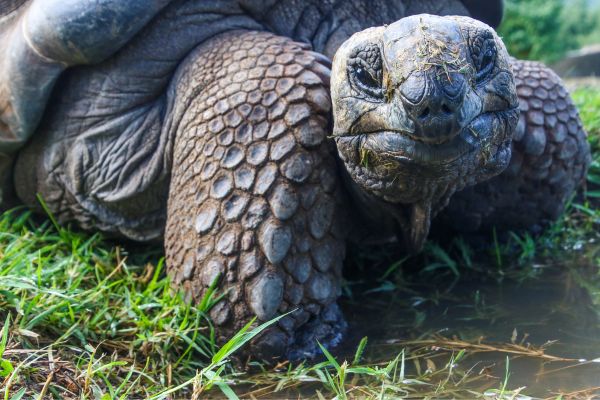
What distinguished this moment on Floreana is the launch of a genetically guided breeding plan, using tortoises found on Wolf Volcano (Isabela) that genetically trace back to Floreana’s extinct form. This marks a break from past reintroductions elsewhere in the Galapagos: here, the focus is on restoring ecological function, not just placing animals for display. The impact is visible on the ground—a growing presence of tortoises now coincides with noticeable regeneration of native plants and the return of insect and bird diversity in historic grazing zones such as the highland forests and lowland clearings previously dominated by invasive grass.
Tradeoffs are clear: invasive mammal control is resource-intensive and never complete, so periods of apparent improvement can swing back quickly. Floreana’s mixed-use land (combining farmland and native habitat) complicates restoration logistics compared to uninhabited Galapagos islands. Birdwatchers now report regular increases in sightings of ground finches and petrels, demonstrating the feedback between animal restoration and avian populations, but these rebounds remain fragile and subject to both climate variability and human pressures.
Sail Floreana in Style: Luxury Galapagos Cruise Experiences
Floreana Island blends maritime history, volcanic landscapes, and vibrant marine ecosystems into one of the most captivating stops in the archipelago. From the legendary Post Office Bay tradition to the flamingo lagoons of Cormorant Point, these refined yacht expeditions allow you to experience Floreana while exploring the Galapagos from north to south in comfort and style.
-
Galapagos in Style – 8 Day Infinity Yacht Adventure
An eight-day journey across the archipelago featuring Floreana’s Post Office Bay and Cormorant Point, alongside highlights such as Genovesa, Santiago, Santa Cruz, and Española. -
Galapagos Vacations in Style – 5 Day Southern Islands Liveaboard Trip
A focused five-day southern route including Floreana and Española, combining iconic wildlife encounters, snorkeling opportunities, and historic island sites.
What This Changes (And What It Doesn’t)
Restoring tortoises to Floreana’s terrain sets in motion changes in seed travel patterns, native fruiting cycles, and weed suppression—effects many decades in the making. If your interest centers on seeing how a lost herbivore reshapes an island, Floreana is a living field experiment. However, the island’s restoration remains incomplete: ongoing vigilance against rodents, continuous monitoring of genetic diversity among reintroduced juveniles, and substantial community buy-in are all non-negotiables.
It’s important to recognize that while the rollout has been dramatic for giant tortoises, species like the Floreana mockingbird and racer snake are still in queue for reintroduction. These returns will hinge on the persistence of habitat improvement work over several visitor seasons, with progress affected by weather variation and funding cycles. If witnessing full ecological recovery is your priority, plan for uncertainty: projects here advance in stop-start rhythms, not on predictable timelines.
What’s Actually Going On (Ecology, Behavior) (Genetic Remnants)
When the Floreana giant tortoise (Chelonoidis niger niger) vanished in the 1800s, no pure individuals survived. Current restoration relies on hybrids from Isabela’s Wolf Volcano, which genetic analysis revealed to be high-percentage Floreana descendants. These hybrids aren’t generic replacements—over 250 were identified, carefully selected, and bred in managed programs aimed at concentrating Floreana-specific traits.
Visitors frequently overlook that rewilding here involves both physical adaptation—tortoises learning to occupy various ecological zones from highland mists to arid lowland forests—and close genetic oversight. The project is constantly balancing the need to accelerate tortoise population growth against the risk of inbreeding or behavioral maladaptation, tradeoffs not seen in passive animal reintroduction models. If you’re interested in conservation genetics, Floreana offers direct access to managed enclosures where these strategies are explained and observable in action.
Wildlife Windows and How to Catch Them (Observing Tortoise Behavior)
Spotting tortoise activity on Floreana is best done during mid-morning or late afternoon, when ambient temperatures cue feeding and movement through open, grassy areas or along volcanic ridges. Itineraries with guided walks through restored habitat—such as the ascent towards Cerro Pajas or during wet-season foraging—boost your chances, but be prepared for variable weather, muddy trails, and sometimes challenging terrain requiring firm walking shoes and sun or rain protection.
Plan for:
- Hiking Volcanic Slopes: Trails wind through transition zones where tortoises move between highland forest patches and drier shell-infested flats. These hikes can involve steep segments and slippery ground, especially after rain.
- Learning About Conservation Efforts: Many projects run interpretive talks or hands-on restoration experiences—often requiring pre-booking—where you can see feeding and health checks up close. These aren’t just lectures; expect active participation and the possibility of rescheduled sessions due to animal care needs.
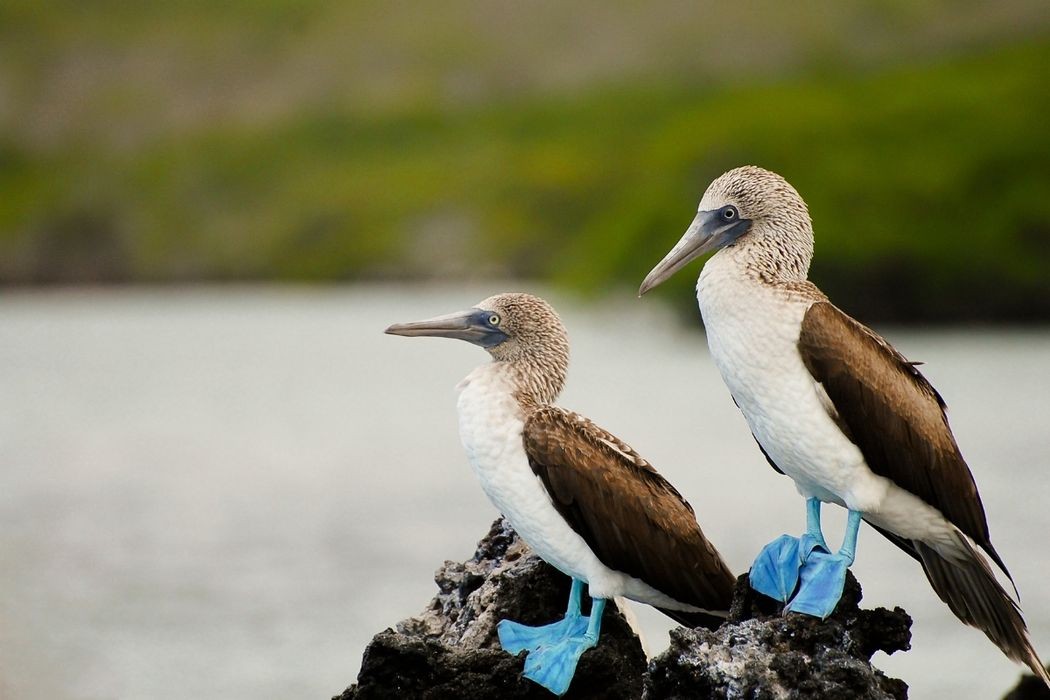
- Bird Watching: Floreana’s ongoing restoration has boosted populations of species like the Galapagos petrel and medium ground finch, accessible near tortoise habitats. Bring binoculars, but be aware that trail closures for habitat protection are common during sensitive breeding windows.
FAQ: Quick, Useful Details
How does the introduction of giant tortoises affect Floreana's ecosystem?
Giant tortoises influence ecosystem recovery by moving seeds large distances, controlling plant growth where invasive species once dominated, and creating microhabitats through wallowing and nesting. If maximizing biodiversity rebound is your focus, prioritize areas where reintroduced tortoises have been active for several seasons; these show the most pronounced landscape change.
What are the key components of the Floreana Ecological Restoration Project?
The restoration includes releasing genetically selected tortoises, ongoing eradication of nonnative mammals, structured collaboration with Floreana’s residents, and the phased return of other locally extinct wildlife. Travelers deciding between destinations should note that Floreana’s model integrates conservation and community development more visibly than most Galapagos islands.
How are hybrid tortoises contributing to the conservation of Floreana's giant tortoise lineage?
Hybrids from Isabela are bred in captivity based on their Floreana genetic markers, helping concentrate original traits. This advances restoration faster than waiting for natural gene flow; however, maintaining genetic integrity is a constant management constraint.
What role do giant tortoises play in maintaining biodiversity on Floreana Island?
By mowing down aggressive grass, dispersing hard-shelled seeds, and altering microclimates, giant tortoises establish conditions for multiple native plant and animal species to recover. If you want to observe the creation of new habitats and species returns over time, follow trails in the tortoise release zones.
How can visitors support the conservation efforts while traveling to Floreana?
Support is maximized by booking with certified, conservation-oriented guides, staying within approved areas, and joining participatory activities run by Floreana’s community. Avoid last-minute or unofficial trips, which risk violating park rules and undercutting local programs.
Trails: Rules You Actually Need to Follow
Hiking on Floreana won’t feel like a typical nature walk—access is tightly managed and some routes involve elevation changes, sharp lava rock, and the likelihood of wet, slippery ground following rain or morning mist. To minimize ecological risk and ensure personal safety:
- Stay on Designated Trails: These paths are chosen to limit trampling of recovering habitats and avoid triggering new erosion on slopes critical for petrel nesting or tortoise feeding.
- Do Not Disturb Wildlife: Approach sightings cautiously—tortoises and birds are acclimating to human presence, and aggressive approach or flash photography can disrupt natural behavior windows you’ve traveled to see.
- Follow Leave No Trace Principles: Floreana’s biosecurity is actively policed; backpacks are regularly inspected for seeds or insects, and all trash must be packed out. Facilities are simple—expect minimal shelter and limited options for rest during longer hikes.
- Respect Local Regulations: Park rangers and community stewards have final say—trails may close for monitoring or weather without notice. If you value flexibility, know that last-minute reroutes or capped group sizes are common to protect sensitive restoration sites.
Experiencing the return of Floreana’s giant tortoises is a rare window into active ecosystem transformation. This isn’t just a storyline of species recovery, but a chance to participate—hands-on or as a careful observer—in the slow rebuilding of habitat function, species interactions, and island culture. If you want your presence to accelerate success, commit to both the conservation rules and the rhythms of this ambitious project; on Floreana, shared vigilance is as crucial as scientific innovation.